Tampa renovations take on their own logic. Salt air, heavy summer rains, shifting soil, and a market that rewards curb appeal converge to make the choice of concrete finishing contractors one of the most consequential decisions a homeowner or developer makes. A freshly poured slab is only the beginning; the finish determines longevity, maintenance needs, and whether a patio, garage floor, or commercial loading area will still be solving problems five years from now.
Years ago I watched a midtown Tampa homeowner choose the cheapest crew for a new driveway. The concrete cracked in two directions within 18 months, weeds invaded the joints, and the owner ended up paying nearly twice the original estimate to have the slab removed and redone correctly. Cases like that are common because finishing is invisible during bidding yet Concrete contractor shapes 70 percent of a slab’s performance. That number is not a precise universal constant, but it captures the idea that materials and mix matter, and how the concrete is placed, cured, and treated matters at least as much.
Concrete Services in Tampa FL are not an undifferentiated commodity. The right crew will read a site, anticipate moisture and drainage issues, and select finishing techniques that match the intended use. The wrong crew will follow a one-size-fits-all approach, which looks cheaper up front and costs far more down the road.
What a finish does for performance and value
A finish affects three practical things at once: structural durability, surface function, and appearance. Structurally, a proper finish reduces surface microcracks and helps control where larger cracks form. Functionally, choices like brooming, stamping, or polishing change traction, cleaning requirements, and how the surface interacts with sealers or paints. Aesthetically, a well-executed finish increases perceived quality and curb appeal, which in Tampa's competitive residential market can influence resale price by a few percentage points when all else is comparable.
Concrete Services, from simple slab pours to decorative overlays, must address local realities. Warm climates affect setting times, humidity affects curing, and coastal conditions require attention to salt and chlorides. Experienced contractors calibrate mix water, timing, and curing methods accordingly. One client I worked with wanted a glossy garage floor. We proposed a densifier and mechanical polish instead of epoxy. The result required a bit more prep but delivered a finish that resisted peeling, breathes with the slab, and lasted for years without the delamination problems common in high-humidity areas.
Why specialized concrete finishing contractors outperform generalists
Many general contractors will subcontract concrete or attempt simple pours themselves. That can work for small, straightforward tasks, but finishing is a craft. Specialized contractors build intuition about timing and feel. They know when the surface is ready for floating, edging, or brooming. They read weather forecasts and adjust pour schedules. They coordinate with concrete suppliers to tweak admixtures for workability and set control. That skill reduces callbacks.
Consider two comparable commercial renovations in Tampa: one used a specialist for a loading dock slab, the other used an all-purpose crew. The specialist introduced fiber reinforcement, designed saw-cut patterns to control cracking, and staged the pour to maintain consistent joints. The slab performed under heavy forklift traffic for five years with only hairline control cracks. The other slab needed early repairs and surface grinding within 24 months. The initial price difference was modest, but lifecycle costs diverged significantly.
All Phase Concrete and the value of local experience
Nationally recognized names can be reassuring, but local reputation matters in a coastal city. Companies like All Phase Concrete, with a track record in Tampa, bring two advantages. First, they understand microclimates within the region. For example, the sunrise-side of a neighborhood may receive more early morning humidity, which affects curing. Second, they have relationships with local suppliers and inspectors, smoothing permit processes and enabling faster turnaround when time is tight.
When I help property owners choose a contractor, I look for those local ties. I talk with suppliers and inspect recent projects in person. A crew that has worked a neighborhood repeatedly will have references where you can see finished surfaces in real conditions, not just staged photos.
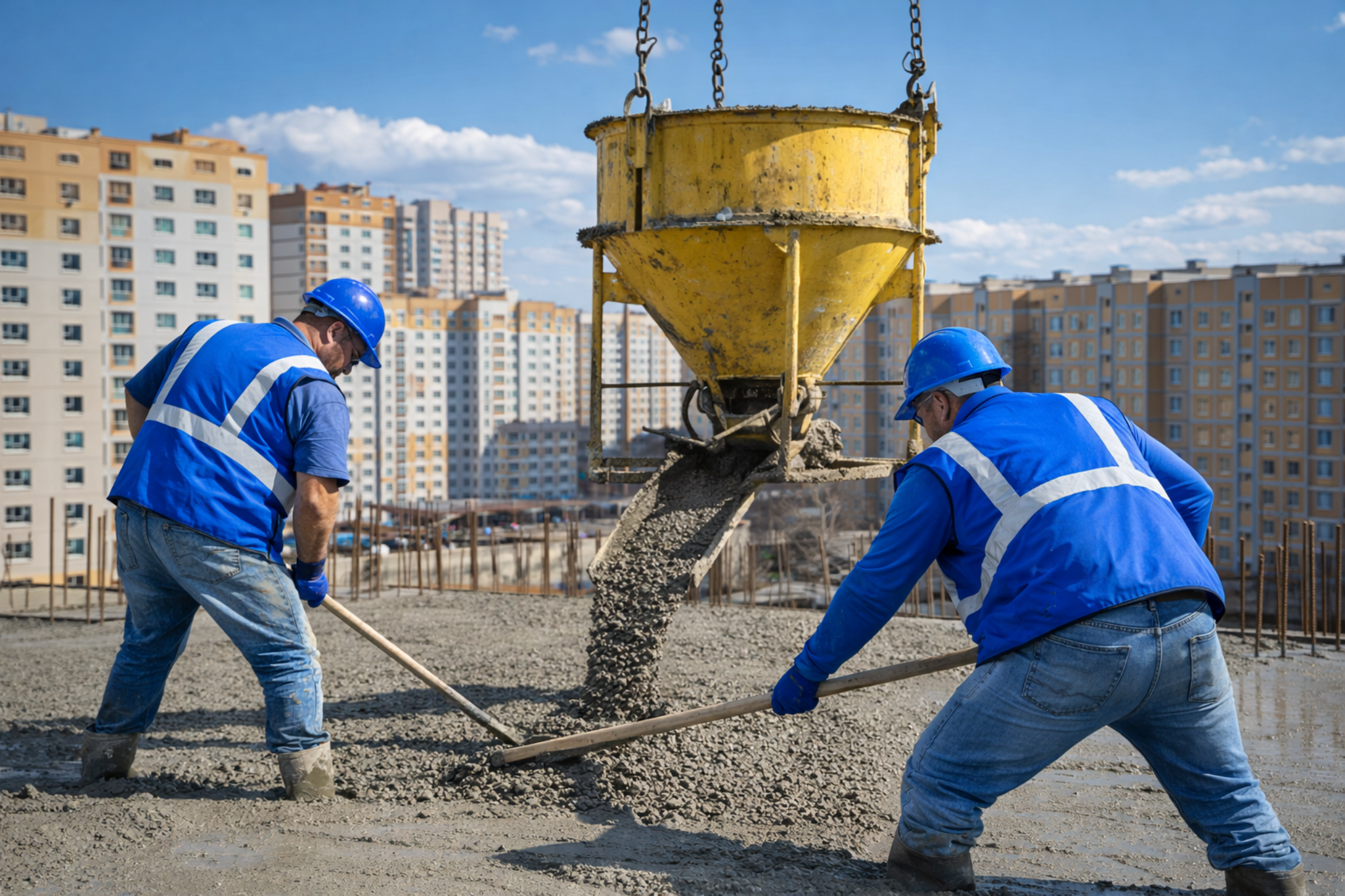
Common finishing choices and their trade-offs
Concrete Services in Tampa FL cover a spectrum, from functional broom finishes to high-end polished surfaces. Each approach carries trade-offs that affect maintenance, appearance, and cost.
- Broom finish: inexpensive, provides traction for driveways and walkways. It resists slipping but traps dirt in the texture and can look utilitarian. Stamped concrete: mimics stone or pavers. It offers a high-end look at lower cost than natural stone, but joints and sealers need maintenance in wet climates. Polished concrete: durable and low-maintenance indoors. It reflects light and reduces cleaning costs, but achieving true shine requires skill and sometimes densifiers. Colored and exposed aggregate finishes: attractive and weather resistant, but color consistency and aggregate exposure depth depend on precise execution. Overlay and microtopping systems: useful for renovating tired slabs without full replacement. They require perfect substrate preparation and careful curing to avoid delamination.
Those five categories represent most options homeowners ask about. Picking the right one requires matching usage to finish. A pool deck needs slip resistance and heat management. A garage floor needs chemical resistance and abrasion resistance. A retail space needs appearance aligned with branding and a surface that holds up to foot traffic.
Permits, joints, and the small details that matter
Finishing includes details that most owners never see until something goes wrong. Joints, for instance, are not an aesthetic choice only. They control crack locations. Premature or poorly placed saw cuts will not stop random cracking. The timing and width of control joints must align with slab thickness, reinforcement, and anticipated loading. A 4-inch slab for a driveway should typically get control joints every 8 to 12 feet depending on reinforcement, but soil conditions and use can change that spacing.
Curing is another overlooked step. Good contractors use a combination of proper curing compounds, wet curing where feasible, and timely protection from rapid drying or heavy rain. I have seen crews that finished a beautiful surface only to allow it to dry too quickly under midday sun, producing craze cracks and a weaker surface. Conversely, too much water added during finishing ruins surface strength and increases shrinkage cracks. Skilled finishers judge moisture with both instruments and feel.
How contractors handle site prep and drainage often decides a slab’s fate. In Tampa’s clay and sandy soils, subgrade compaction and drainage layers are not optional. Even small slopes that redirect water toward a foundation can cause freeze-thaw issues somewhere up the chain or encourage mold in shaded outdoor living areas. A reputable concrete finishing contractor will evaluate the subgrade, recommend geotextile or base rock where needed, and coordinate grading to keep water moving away from the slab edge.
Pricing realities and when to pay more
Budget constraints are real, but the cheapest bid is rarely the most economical. Expect quality finishing to add a modest percentage to a straightforward pour—often 10 to 25 percent more than the absolute lowest bid. That difference buys better scheduling, more experienced crews, correct jointing, and attention to curing. For decorative or high-traffic commercial work, the premium can be larger but often still pays off over a 10-year horizon through lower maintenance and fewer repairs.
If a bid is substantially lower than others, ask what is excluded. Common exclusions include subgrade prep, reinforcement, saw-cutting control joints, sealing, and warranty terms. A contract should list scope in detail: slab thickness, reinforcement type, joint pattern, curing method, sealers, and cleanup. Vague contracts lead to change orders once the crew is on site.
A short checklist for vetting concrete finishing contractors
- Ask to see three recent projects completed within Tampa in the last 12 months, ideally similar in use and finish. Confirm licensing, insurance, and a written warranty specifying what is covered and for how long. Request a written scope that lists slab thickness, reinforcement, control joint spacing, curing plan, and sealer specifications. Ask about the supplier and plan to verify the concrete mix design, admixtures, and consolidating agents. Verify who will handle site prep and grading and whether that cost and responsibility is included.
That checklist condenses the conversations that separate a careful contractor from one that relies on goodwill and optimistic assumptions.
When renovation projects need alternatives to full replacement
Sometimes the slab underfoot is sound but worn. Microtoppings, overlays, or polished systems can refresh a surface without full excavation. These approaches conserve material and can reduce costs by 30 to 60 percent compared with replacement, depending on site complexity. A successful overlay requires a clean, sound substrate and often a primer. I remember a condominium project where management wanted a stamped overlay over a tired pool deck. The overlay looked wonderful on day one, but because the crew skipped proper substrate profiling, portions popped up within a year. The contractor had to redo the entire deck, an expensive lesson about shortcuts.
Situations where overlays work best include surface blemishes, shallow spalling, and cosmetic updates. They do not fix structural problems tied to poor compaction, subgrade settlement, or deep rebar corrosion. A good concrete finishing contractor will recommend testing the slab and, if necessary, limited demo to assess whether an overlay makes sense.
What warranties, service, and long-term relationships look like
A warranty matters, but so does the willingness of a contractor to stand behind their work. Warranties often cover workmanship for a period such as one to five years and exclude normal shrinkage cracks. Longevity comes from firms that offer scheduled follow-up visits, sealing regimes, and maintenance guidance. Ask about recommended sealers and reapplication intervals. In Tampa’s climate, a re-seal every two to three years for decorative slabs is common, though indoor polished floors may need far less frequent treatment.
Good contractors also document performance. They will take photos during each critical stage, note weather conditions, and keep mix tickets. These records become valuable if a problem arises and give you leverage when assessing responsibility.
How to specify concrete finishing in your renovation contract
Write the specifics into the contract. State slab thickness in inches, reinforcement type if any, target compressive strength in psi and when it will All Phase concrete services be tested, control joint spacing and saw-cutting schedule, finishing type, and curing method including brand or type of curing compound. Specify cleanup and protection measures. If you're getting a decorative finish, require that mockups be installed and approved before full application. Include payment milestones that align with visible progress and withheld final payment until a punch list is resolved.
Real examples help clients make decisions. When a small retail owner asked for a durable, low-maintenance floor with a light industrial look, I recommended a 4-inch slab with fiber reinforcement, a mechanical polish to 800 grit, a densifier, and a light matte sealer. The cost was higher than painted epoxy, but the polish needed no recoat and resisted forklift abuse. The owner recouped the difference in lower maintenance and downtime within two years.
Closing the gap between expectation and outcome
Concrete finishing contractors matter because they translate plans into a durable, functional surface. The difference between a slab that endures and one that becomes an expensive problem often comes down to timing, small technical choices, and how the team handles weather and site conditions. Concrete Services in Tampa FL are broad, but contractors with local experience and a disciplined approach to finishing offer measurable value.
If you are planning a renovation, start conversations early with firms that have relevant project examples, ask precise questions about the finish and curing, and insist on written scope and warranty terms. The cheapest quote may lead to the most expensive headache. Choosing a contractor who understands Tampa’s climate, local materials, and actual long-term costs will save time, money, and avoid that familiar story of a slab redone twice.
When All Phase Concrete or another reputable local company presents a proposal, look beyond the price. Review references, check recent work, and ensure the contract captures the technical details you need. With the right partner, your next renovation will not just look finished, it will stay finished.